Encapsulated Sorbic Acid


For food, beverage, and nutritional supplement manufacturers, encapsulated sorbic acid (sorbic acid coated in biocompatible carriers like starch, maltodextrin, gum arabic, or plant-based lipids) solves critical pain points associated with general preservative sorbic acid. By isolating sorbic acid in microcapsules, this formulation addresses challenges related to flavor interference, stability, formulation compatibility, safety, and regulatory compliance, empowering manufacturers to create high-quality, shelf-stable end products.
Extend Freshness with Good Taste & Flavor
Normal sorbic acid has a bitter, acidic taste and can react directly with food/beverage matrices (e.g., dairy proteins, fruit juices, sweetened supplements), causing off-flavors, sour aftertastes, or reduced sweetness. This is a major issue for premium products like fruit juices, plant-based milks, nutritional gummies, and protein powders, where taste is a core consumer purchase driver.
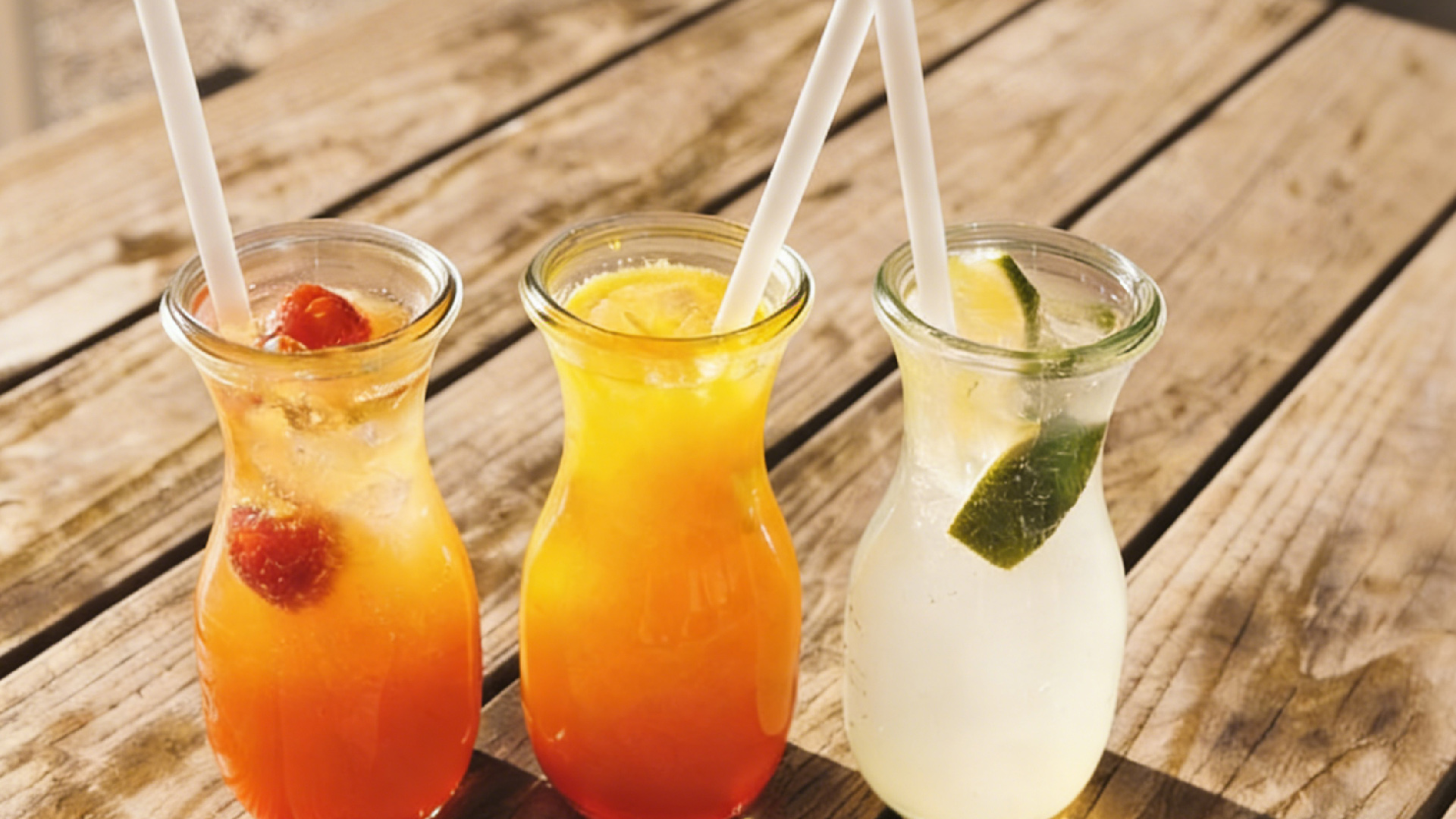
The microcapsule shell of encapsulated sorbic acid acts as a barrier, isolating sorbic acid from the product’s flavor components and avoiding direct interactions. Manufacturers can add effective preservative doses without compromising taste— critical for clean-label beverages, low-sugar supplements, and premium confectionery. Encapsulated sorbic acid preserves fruit juice freshness for 12+ months without imparting bitter notes.
Enhance Stability During Processing & Storage
General sorbic acid is sensitive to heat, light, pH fluctuations, and moisture. It decomposes rapidly during high-temperature processing (e.g., beverage pasteurization, protein bar baking, supplement extrusion) or long-term storage, losing preservative efficacy. This leads to premature product spoilage, reduced shelf life, and high waste costs for manufacturers.
The protective capsule shell shields sorbic acid from harsh processing conditions (temperatures up to 140°C) and environmental stressors (light, humidity). It retains 90%+ of its antifungal/antibacterial activity after pasteurization or extrusion, extending product shelf life by 30–50% compared to free sorbic acid.
Enable Controlled Release & Uniform Preservation
Normal sorbic acid dissolves unevenly in water or oil-based formulations, leading to inconsistent preservative distribution— some product areas have excess sorbic acid (risking regulatory non-compliance) while others have insufficient (risking spoilage). Additionally, normal sorbic acid acts immediately, which may not match the product’s storage needs (e.g., slow microbial growth over time).
Encapusualated soebic acids has microcapsules that release sorbic acid gradually, triggered by external factors (e.g., pH changes in acidic beverages, moisture in supplements) or during extended storage. This ensures long-lasting, targeted preservation without over-preserving the product initially.
Encapsulated sorbic acid forms micro-sized particles that disperse evenly in both water-based (juices, sports drinks) and oil-based (plant-based oils, fatty supplements) formulations, eliminating clumping or localized concentration spikes. Manufacturers can meet strict regulatory limits (e.g., EU’s maximum 0.2% sorbic acid in food) with precise dosage control.
Reduce Interactions with Nutrients & Functional Ingredients
Normal sorbic acid reacts with key nutrients and functional ingredients in supplements (e.g., vitamins, probiotics, amino acids) and fortified foods, degrading their efficacy. For example, it can break down vitamin C in fruit juices or inhibit probiotic viability in gut-health supplements, undermining product claims.
The barrier of encapsulated sorbic acid prevents direct contact between sorbic acid and sensitive ingredients, preserving the integrity of vitamins, probiotics, and plant proteins. This is critical for manufacturers of fortified beverages (e.g., vitamin-enriched water) and nutritional supplements (e.g., probiotic gummies), where nutrient stability is a core selling point.

Improve Safety & Reduce Irritation Risks
Normal sorbic acid can cause mild oral or gastrointestinal irritation (e.g., burning sensations in the mouth, bloating) in sensitive consumers, especially when used in high-moisture supplements or acidic beverages. This leads to negative consumer reviews and reduced repeat purchases.
Encapsulation minimizes direct contact between sorbic acid and the oral mucosa or digestive tract. The microcapsules release sorbic acid slowly, reducing irritation even at effective preservative doses. For manufacturers targeting sensitive populations (e.g., children’s supplements, low-irritation beverages).
Expand Formulation Flexibility Across Product Types
Normal sorbic acid is primarily water-soluble, limiting its use in oil-based products (e.g., plant-based oils, fatty nutritional supplements, creamy dressings). It also clumps in high-viscosity formulations (e.g., protein pastes, gummy gels), causing processing inefficiencies.
By choosing the right capsule carrier (e.g., lipid-based shells for oil systems, hydrophilic shells for water systems), manufacturers can tailor encapsulated sorbic acid to diverse formulations:
- Water-based products: Fruit juices, sports drinks, liquid supplements.
- Oil-based products: Nut butters, plant-based oils, fatty acid supplements.
- High-viscosity products: Protein bars, gummies, creamy dairy alternatives.This flexibility eliminates the need for multiple preservatives, simplifying formulations and reducing production costs.
1.More than 10 years experience with ISO certified,
2.Factory of flavor and sweetener blending,Tianjia Own Brands,
3.Research on the Market Knowledge & trend follow up,
4.Timely Deliver & Stock Promotion on hot demanding products,
5.Reliable & Strictly follow the contract responsibility & after sales service,
6. Professional on International Logistic Service, Legalization documents & Third Party Inspection process.